Decide what to build before you pay to build it.
Product strategy turns an unclear idea into clear decisions: who it's for, which problem it solves, what the first version includes and how you'll know it's working.

Most digital products don't fail because the idea is bad. They fail because they were built on assumptions nobody tested.
Without a shared definition of the problem and the user, the feature list grows, the scope blurs and development quotes vary wildly because nobody can say what's actually being built.
Signs you might recognise
- The feature list keeps growing without clear priorities.
- You can't explain the product's value in one sentence yet.
- Partners or investors ask questions you can't answer with confidence.
- Developers' estimates differ wildly because the scope is unclear.
Who it's for
- Founders at the idea or pre-launch stage.
- Businesses planning a new digital product or service.
- Product teams that need to set priorities for a roadmap.
For your business
- A smaller, sharper first version that reaches the market sooner.
- A scope developers can estimate properly.
- A team, and investors, aligned on the same story.
For the people using it
- A product that solves a problem they actually have.
- Fewer features, each one doing its job well.
- Value they can understand quickly.
How we approach it
Discovery
We define the real problem, the target user and the assumptions the idea depends on, before any design.
Value and positioning
We put the product's value into words a customer would use, and compare it honestly with the alternatives they have today.
First version scope
We prioritise ruthlessly: what the first version must do, and what can wait.
Roadmap and measures
A roadmap tied to clear success measures, so progress is judged by results rather than output.
Prototype to test
Where it helps, a clickable prototype to test the riskiest assumptions with real people.
What you receive
- Problem and target-user definition
- List of key assumptions and how to test them
- Prioritised scope for the first version
- Roadmap linked to success measures
- Clickable prototype where it's useful
Related work
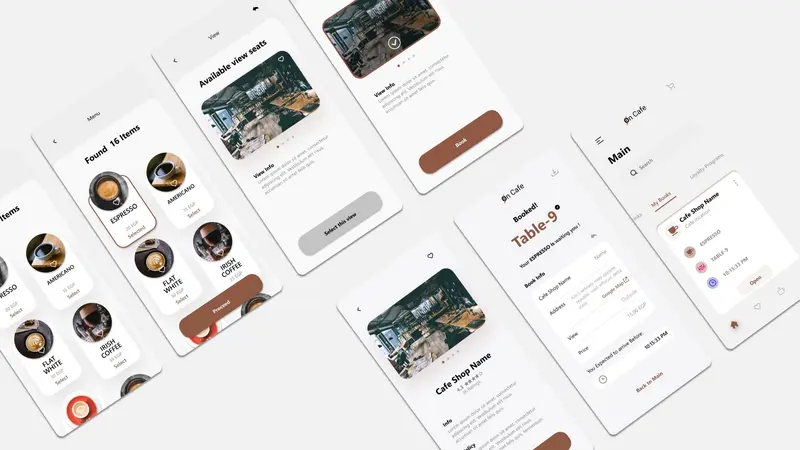 On Café
Book, track and enjoy your café
A research-led café app for booking a table, tracking orders, collecting loyalty rewards and sharing the experience.
View project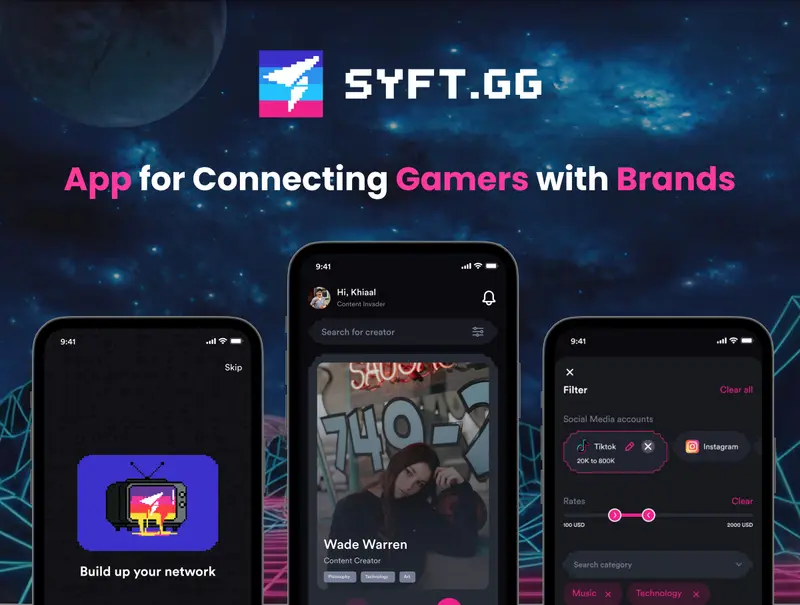 Syft.GG
Connecting gamers and creators with brands
A collaboration platform where gamers and creators build a profile, link their socials and get discovered by brands.
View project


- Self-initiated concept · not client work
Clinic booking in three decisions
How a specialty clinic's booking journey changes when it's designed around the patient's three real questions.
- Self-initiated concept · not client work
Onboarding that earns trust before it asks for documents
Reworking a financial onboarding flow so people understand why each document is needed and never lose their progress.
Frequently asked questions
Is this only for startups?
No. It's for anyone about to invest in a digital product, including established businesses launching something new.
What happens after the strategy?
You can continue straight into UX/UI or mobile app design built on the same decisions, so nothing is lost between strategy and design.
Will you challenge our idea?
Yes, respectfully. We'd rather question an assumption now than watch it cost you a development budget later.
How much does it cost?
Every project is quoted individually once we understand the scope, so there are no packages or price lists on this site. Send us a message on WhatsApp describing what you need and we'll talk it through.
Have an idea? Let's pressure-test it.
Tell us the idea and who it's for. We'll come back with the questions that matter most.